
Blog
How to Get an EU Residence Permit

How to Get an EU Residence Permit: A Complete Guide
How to get an EU residence permit. If you are planning to live, work, study, or join family in Europe for more than 90 days, you may need a residence permit from the EU country where you intend to live. For legal assistance with passports, residence permits, visas, and related immigration documentation, contact us at email: contact@officialdocssupport.com or WhatsApp +1(672)2050601. It is important to understand that there is not one universal “EU residence permit” that automatically allows a non-EU citizen to live anywhere in the European Union. Residence applications are generally handled under the rules of the specific EU country where you want to reside. The European Commission’s EU Immigration Portal provides country-specific information for people planning to move to the EU for work, study, family reunification, and other purposes.
What Is an EU Residence Permit?
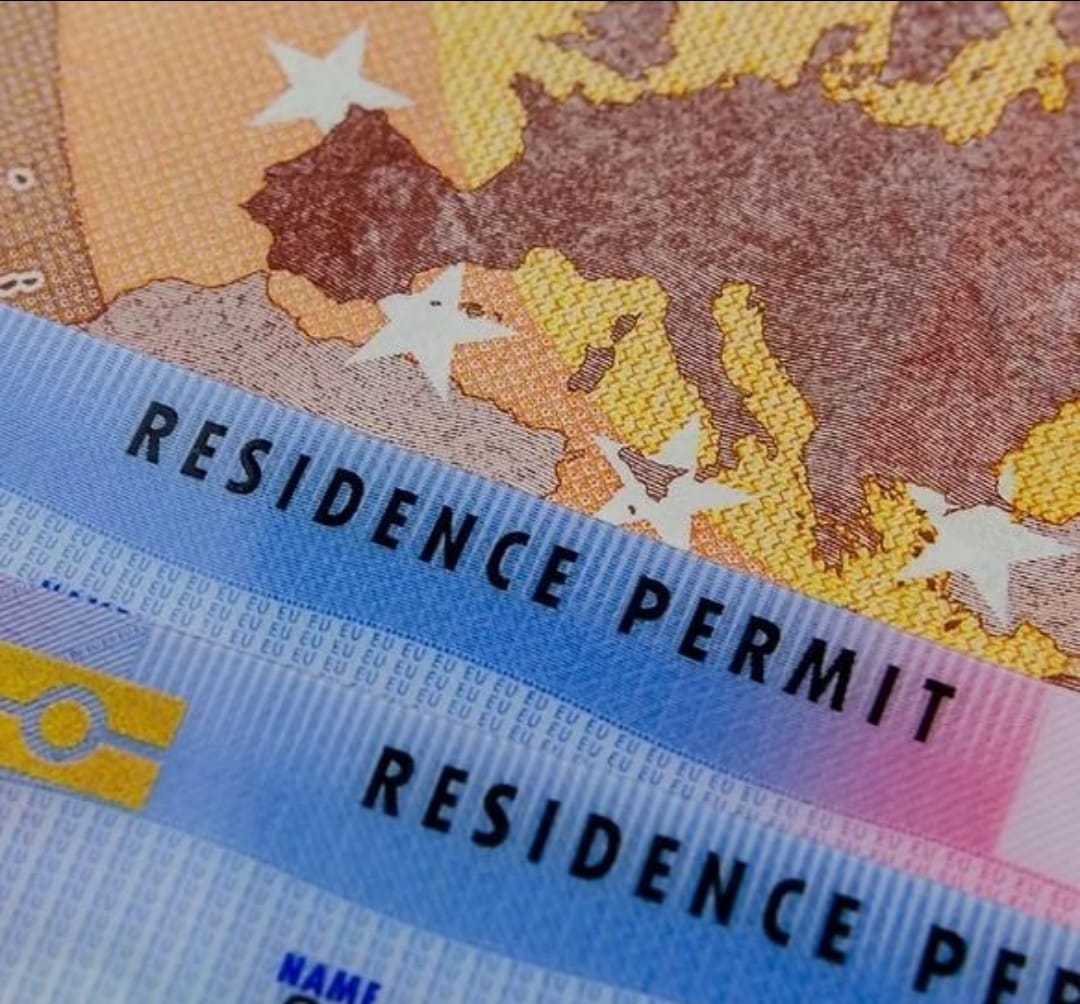
An EU residence permit is an official document that allows a non-EU national to legally reside in a particular EU member state for a specified period or, in some circumstances, on a long-term or permanent basis.
The type of residence permit you need depends on your reason for moving to Europe. Common reasons include:
- Employment or a job offer
- Higher education or other studies
- Family reunification
- Starting or running a business
- Highly qualified employment
- Research
- Other legally recognised reasons for residence
The European Commission’s EU Immigration Portal provides information for non-EU citizens who want to move to an EU country for periods longer than 90 days.
Is There One EU Residence Permit for All European Countries?
No. This is one of the most important things to understand before applying.
Each EU member state has its own immigration authorities, application procedures, eligibility requirements, fees, and residence categories. EU-level rules establish certain common frameworks, but individual countries decide many of the practical requirements for granting residence permits.
For example, the requirements for a residence permit in Germany may differ from those in France, Italy, Spain, Portugal, Poland, or another EU country.
Therefore, the first step is to determine which EU country you want to live in and why you want to live there.
Who Can Apply for an EU Residence Permit?
Non-EU citizens may be eligible for residence in an EU country if they meet the requirements of an applicable immigration category.
Depending on the country and circumstances, applicants may qualify through:
Work and Employment
People who have an employment contract or qualifying job offer may be able to apply for a work-based residence permit.
Highly qualified professionals may also qualify for an EU Blue Card if they meet the relevant requirements. The EU Immigration Portal identifies the EU Blue Card as a route for highly qualified workers who have a qualifying employment contract or binding job offer and meet the applicable professional requirements.
Study
International students accepted by an eligible educational institution may be able to obtain a student residence permit.
Requirements can include proof of admission, sufficient financial resources, health insurance, accommodation, and other documents required by the destination country.
Family Reunification
Some non-EU nationals who are already legally resident in an EU country may be able to bring qualifying family members to join them.
Family reunification rules depend on the country and the relationship between the applicant and the family member. The European Commission provides specific information for non-EU citizens who are already legally resident in an EU country.
Business and Self-Employment
Certain EU countries provide residence routes for entrepreneurs, investors, self-employed individuals, or people establishing qualifying businesses.
The conditions can vary significantly between countries, so applicants should check the official immigration requirements of the country where they intend to establish residence.
What Are the Requirements for an EU Residence Permit?
Residence permit requirements vary according to the country and immigration category.
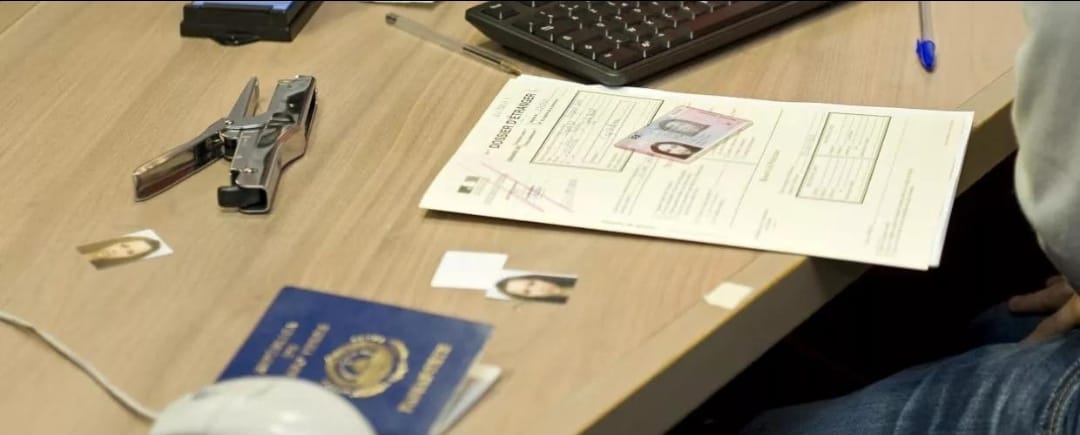
However, applicants may commonly be asked to provide documents such as:
- A valid passport
- Completed application forms
- Passport-size photographs
- Proof of employment, admission, or another qualifying purpose
- Proof of sufficient financial resources
- Proof of accommodation
- Health insurance
- Civil-status documents where applicable
- Educational or professional qualifications where required
- Criminal-record documentation where required
- Proof of payment of applicable fees
- Biometric information, where required
Not every applicant will need every document listed above. The exact requirements should always be confirmed with the relevant immigration authority, embassy, or consulate.
How to Get an EU Residence Permit Step by Step
Step 1: Choose the EU Country Where You Want to Live
Start by selecting the country where you genuinely intend to establish residence.
Do not assume that obtaining a residence permit from one EU country automatically gives you the right to move permanently to another EU country.
Step 2: Identify Your Immigration Category
Determine why you want to reside in Europe.
Your options may include:
- Employment
- Study
- Family reunification
- Highly qualified employment
- Business or self-employment
- Research
- Another qualifying residence category
Choosing the correct category is essential because the eligibility requirements and documentation depend on it.
Step 3: Check the Official Eligibility Requirements
Review the immigration requirements for your chosen country and residence category.
The EU Immigration Portal can help you identify the relevant rules and procedures for moving to different EU countries.
Step 4: Prepare Your Supporting Documents
Collect the documents required for your specific application.
Make sure that documents are complete, valid, and consistent with the information in your application. Some documents may need to be translated, legalised, apostilled, or otherwise certified depending on the destination country’s rules.
Step 5: Submit Your Application
Depending on the country and type of residence permit, you may need to apply through:
- An embassy or consulate
- A national immigration authority
- A local immigration office
- An official online application system
Follow the instructions provided by the relevant authorities and submit the application within the required timeframe.
Step 6: Attend an Appointment or Provide Biometrics
Some residence applications require an appointment where applicants provide fingerprints, photographs, signatures, or other biometric information.
You may also be required to attend an interview or provide additional documentation.
Step 7: Wait for a Decision
Processing times vary depending on the country, application category, workload of the immigration authority, and complexity of the application.
Avoid making travel or relocation arrangements based solely on an assumption that an application will be approved.
Step 8: Receive Your Residence Permit
If your application is approved, you may receive a residence card or another official residence document.
Check the document carefully when you receive it, including:
- Your name
- Date of birth
- Permit type
- Validity period
- Employment restrictions
- Conditions attached to your residence
Can an EU Residence Permit Let You Travel Around Europe?
An EU residence permit is different from an EU passport or citizenship.
A residence permit issued by one EU country does not normally give a non-EU citizen an unrestricted right to live and work permanently in every other EU country.
However, residence permit holders may have certain travel and mobility rights depending on their permit, nationality, destination, and applicable EU and national rules.
If you intend to move to another EU country, check the rules that apply to that specific move rather than assuming that your existing permit is sufficient.
What Is an EU Long-Term Residence Permit?
Some non-EU citizens may eventually qualify for long-term resident status after legally living in an EU country for a required period.
Under EU rules on long-term residents, the general framework provides for long-term resident status for eligible non-EU nationals who have legally and continuously lived in an EU country for at least five years, subject to the applicable conditions and national procedures.
Long-term residence can provide greater stability and, under certain conditions, may make it possible to move to another EU country subject to that country’s requirements.
How Long Does It Take to Get an EU Residence Permit?
There is no single processing time for an EU residence permit.
Processing times can depend on:
- The country
- The type of residence permit
- The applicant’s nationality
- Whether the application is complete
- The immigration authority handling the application
- Whether additional checks are required
- The time of year and application volume
For this reason, applicants should check the current processing information provided by the relevant national authority.
How Much Does an EU Residence Permit Cost?
Residence permit fees vary by country and by application category.
Additional expenses may include:
- Visa fees
- Residence permit fees
- Document translation
- Legalisation or apostille fees
- Medical or insurance expenses
- Biometric fees
- Travel expenses
- Professional assistance fees, if applicable
Always verify the current government fees before submitting an application.
Common Reasons Residence Permit Applications Are Refused
A residence permit application may be refused for different reasons, including:
Incomplete Documentation
Missing or incorrect documents can cause delays or contribute to a refusal.
Failure to Meet Eligibility Requirements
Applicants must demonstrate that they meet the requirements of the specific immigration category.
Insufficient Financial Resources
Some residence categories require applicants to demonstrate that they have adequate financial means.
Problems With Supporting Documents
Inconsistent, unverifiable, expired, or improperly prepared documents can create problems during the application process.
Failure to Follow the Correct Procedure
Submitting an application to the wrong authority or using the wrong immigration category can result in complications.
How to Avoid Problems With Your Residence Permit Application
Before applying, consider the following checklist:
- Choose the correct EU country.
- Identify the correct residence category.
- Check the latest official requirements.
- Prepare all required documents.
- Ensure your documents are genuine and valid.
- Complete the application accurately.
- Pay the required official fees.
- Attend appointments when required.
- Respond promptly to requests for additional information.
- Keep copies of your application and supporting documents.
Most importantly, never use fraudulent documents or false information in an immigration application. Providing false information can lead to refusal, cancellation of immigration status, or other legal consequences.
Can You Work With an EU Residence Permit?
Whether you can work depends on the type of residence permit you hold and the laws of the country that issued it.
For example, a student residence permit may have specific employment restrictions, while a work-based residence permit may be linked to a particular employer or occupation.
Always check the employment conditions printed on your residence document and the applicable national regulations.
Can You Bring Your Family to the EU?
In some circumstances, yes.
Family reunification may allow eligible residents to bring qualifying family members to join them. However, requirements regarding income, accommodation, relationship, insurance, and other conditions vary according to the country and circumstances.
EU Residence Permit vs. EU Citizenship
A residence permit does not make you an EU citizen.
An EU residence permit generally gives you permission to live in the country that issued it under specified conditions. Citizenship is a separate legal status with additional requirements.
Citizenship may eventually be available to some long-term residents, but the requirements differ between countries and can include residence periods, language requirements, integration requirements, and other conditions.
Frequently Asked Questions About EU Residence Permits
Can I get an EU residence permit without a job?
Possibly. Employment is only one route to residence. Depending on the country, other routes may include study, family reunification, business, research, or other qualifying circumstances.
Can I apply for an EU residence permit from outside Europe?
In many cases, applicants who are outside the EU begin the process through the relevant embassy or consulate, particularly when a long-stay visa is required before entering the country. The exact procedure depends on the destination country and residence category.
Is an EU residence permit permanent?
Not necessarily. Many residence permits are temporary and must be renewed. Some eligible residents can eventually apply for long-term or permanent residence after satisfying the relevant conditions.
Can I move to another EU country with my residence permit?
Not automatically. The right to relocate to another EU country depends on your status, the type of permit you hold, and the rules of the country you want to move to.
How long can I stay in Europe with a residence permit?
The permitted period depends on the validity and conditions of your residence permit. Always check the expiration date and conditions shown on your residence document.
Final Thoughts: Getting an EU Residence Permit Legally
Getting an EU residence permit starts with choosing the right country and identifying a legitimate immigration route that matches your circumstances. Whether you are moving for employment, education, family reunification, business, or another qualifying purpose, careful preparation can help you avoid unnecessary delays and mistakes.
Because immigration regulations can change and requirements differ between EU member states, use official government and EU sources to verify the current rules before submitting an application. The European Commission’s EU Immigration Portal is a useful starting point for identifying the requirements applicable to your destination country and immigration category.
For assistance with preparing and understanding documentation for your immigration process, contact:
Email: contact@officialdocssupport.com
WhatsApp: +1(672)2050601